
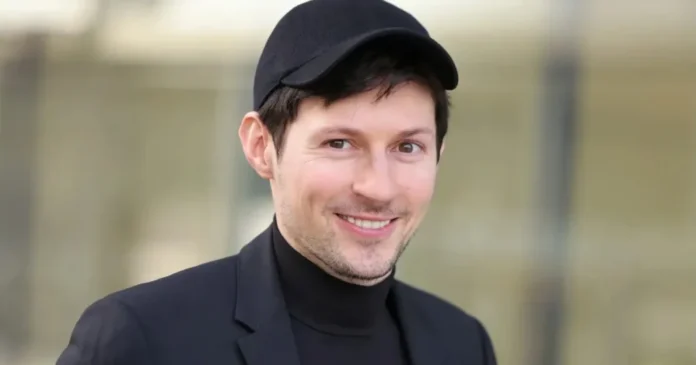
Pavel Durov, founder of messaging app Telegram, has taken an unexpected turn into music production. The tech billionaire released an AI-generated chanson titled “My Own Live Internet” under the pseudonym Durikovich.
The song tackles digital freedom and ways to bypass internet restrictions. It’s a bold move from someone who has faced legal pressure over Telegram’s encryption policies and content moderation practices.
Durov explained his return to music after decades away. “In the 1990s, I loved creating my own music tracks in programs like FruityLoops. Now I’ve revived that hobby using modern tools,” he told his audience. He chose the ironic stage name Durikovich for his musical venture.
This musical experiment reflects broader tensions around internet freedom worldwide. Governments increasingly restrict access to platforms and information, while users turn to VPNs and other tools to maintain connectivity. Durov’s song directly addresses these struggles through its lyrics.
The chanson includes pointed references to censorship and VPN usage:
- “Where they blocked the entrance, we found our way around”
- “In the stairwell, we’re talking about VPNs”
- “The kid, the old lady, the neighbor—no one’s afraid anymore”
The track calls for resistance against information restrictions. “Let their paper fears be locked away behind locks and bolts. The people hold a fragile bridge of words in their hands. We will pass through, we will pass through every ban,” the AI voice sings.
The song concludes with defiance: “We cannot be shut down forever; we cannot be turned back.” This message resonates particularly given Durov’s ongoing legal troubles in France, where he faces up to 10 years in prison over Telegram’s content policies.
Durov promises this track is just the beginning. He plans to release more AI-generated compositions on his Telegram channel, combining his tech expertise with creative expression. The move shows how AI tools are democratizing music production, allowing anyone to create professional-sounding tracks without traditional recording equipment or musical training.
The timing is significant. As governments worldwide tighten internet controls and surveillance, tech leaders like Durov are finding new ways to advocate for digital rights. Using AI music generation to spread his message shows how technology can serve both creative and political purposes.