
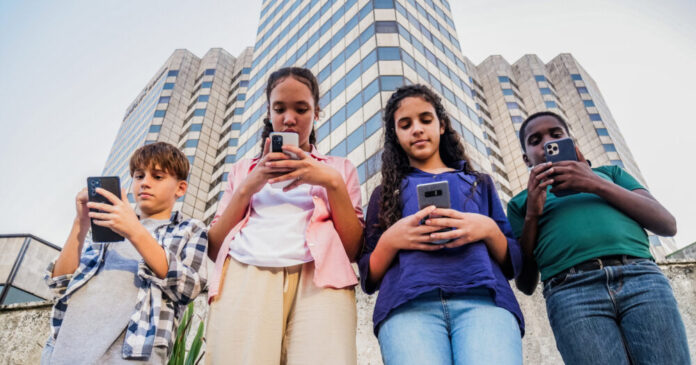
Australia became one of the first countries in the world to ban children under 16 from social media, but a new study suggests the law is not doing what it was designed to do. Research from the University of Newcastle, published in the British Medical Journal, found that more than 85 percent of teens under 16 kept using social media platforms after the ban took effect.
The study surveyed participants aged 12 to 17, both before and three months after the law was introduced. It tracked their use of six platforms: TikTok, X, Facebook, Instagram, YouTube, and Snapchat. As reported by Engadget, two-thirds of under-16 respondents said they had encountered age checks, but that did little to stop them from logging on.
The reason is not hard to see. The most common verification method teens ran into was simply being asked to type in their age. No ID. No biometrics. Just a text field. Authorities in Australia and elsewhere have already criticized this approach for being easy to bypass, and the data backs that up.
When teens did face checks, here is how they got around them:
- 24 to 39 percent encountered a self-declared age prompt and simply entered a false age
- 13 to 27 percent got past checks by uploading a selfie, which many age-estimation tools still struggle to assess reliably
- 15 to 19 percent created fake accounts to access platforms
- 9 to 29 percent logged in using someone else’s account
- Around 11 percent used private or incognito browsers
- A small number used a VPN
The overall picture by age group is telling. Among 12 to 13 year olds, social media use did not change at all after the law came into effect. Among 14 to 15 year olds, it declined somewhat. Among those 16 and older, it actually went up. Whether the older group picked up usage from younger siblings sharing accounts is unclear, but it is a pattern worth watching.
The researchers acknowledge that three months is a short window and that the sample was small and relied on self-reporting. Those are real limitations. But an editorial accompanying the study argues the early signals are too important to ignore.
Dr. Amrit Kaur Purba, an assistant professor at the London School of Hygiene and Tropical Medicine’s Faculty of Public Health and Policy, put it plainly: “What these figures collectively describe is a partially implemented policy, one in which the mechanism intended to restrict access was not reliably activated.” She added that “legislating a restriction is not the same as enforcing one,” and warned that countries now drafting similar rules, including the UK, need to have real age verification in place from day one rather than patching gaps after teenagers have already found their way around them.
That matters because Australia is not alone here. The UK has committed to comparable restrictions and has tasked its regulator with defining what effective age checks should look like before the rules go live. Governments across Europe and North America are watching the same debate unfold. Australia’s experience is quickly becoming a case study in what happens when the policy gets ahead of the infrastructure needed to support it.
The core problem is technical. Self-declared age verification is cheap and easy to implement, which is why platforms default to it. More reliable methods, like document verification or age estimation from a selfie, are harder to scale and raise their own privacy concerns. Until regulators define a clear, enforceable standard, platforms have little pressure to go further than the minimum.
For parents and policymakers, the takeaway is uncomfortable but useful. A law on paper is only as strong as the system built to enforce it. Australia passed the headline. It is still working on the rest.