
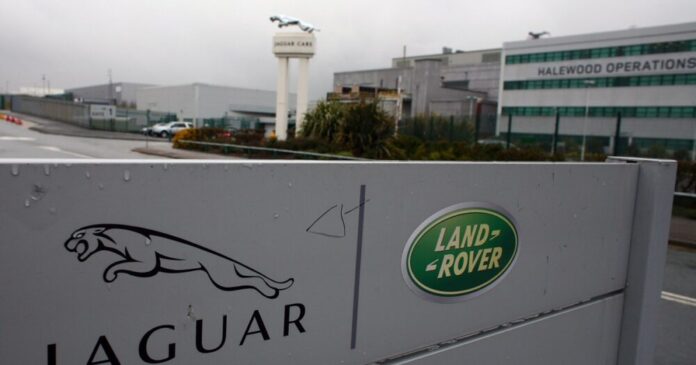
Last year, hackers hit Jaguar Land Rover hard. The attack shut down production for months, forced the UK government to step in with a £1.5 billion bailout, and is estimated to have cost the British economy $2.5 billion in total. It was one of the most damaging cyberattacks ever recorded against a UK company, and until now, nobody knew for certain who was responsible.
That has changed. According to TechCrunch, The New York Times has reported, citing people close to the investigation, that the hackers behind the breach were Russian. What remains unclear is exactly how they were operating. Were they working directly for Vladimir Putin’s government? Were they independent criminals? Or were they somewhere in between, the kind of criminal group that operates with quiet government approval but without official direction?
That last category is a well-known pattern in Russian cybercrime. The Kremlin has long been accused of tolerating, and in some cases encouraging, hacker groups that technically operate outside official channels but whose targets happen to align with state interests. Whether JLR’s attackers fit that pattern has not yet been confirmed.
Microsoft was tracking the Russian group and alerted JLR once it had information about the hackers’ identities. The investigation itself was far broader, involving:
- The FBI
- Britain’s National Crime Agency
- Britain’s National Cyber Security Centre
- Google’s Mandiant unit
- Palo Alto Networks
That level of cross-border, public-private cooperation reflects how seriously governments and the security industry now treat attacks on critical industrial infrastructure. JLR is one of the UK’s largest employers, and a months-long production halt is not just a corporate problem, it ripples through supply chains, dealerships, and regional economies.
There was also a twist. The Russian group was not the only one that had broken into JLR’s networks. A Jordanian hacker known online as Rey had separately breached some of the company’s systems. Two independent actors inside the same target at the same time is unusual, but it does happen. It also raises uncomfortable questions about just how exposed JLR’s networks were and for how long.
The attack fits into a broader pattern that the cybersecurity industry has been warning about for years. Large manufacturers, especially those with global supply chains and aging industrial systems, are increasingly attractive targets. They often hold valuable intellectual property, employ thousands of people whose livelihoods depend on uptime, and can face enormous pressure to pay ransoms or accept government bailouts rather than absorb prolonged shutdowns. That combination makes them prime targets.
Attribution in cyberattacks is rarely clean or fast, and this case took months. But naming the attackers publicly, even without a full picture of their government ties, matters. It puts other potential targets on notice, it gives governments a basis for diplomatic or legal action, and it adds pressure on states that tolerate criminal hacking activity within their borders.