
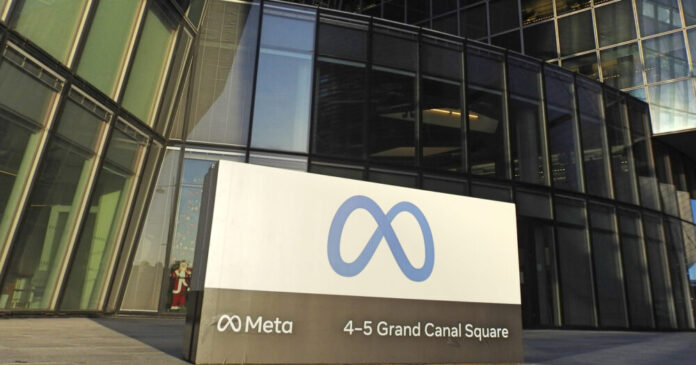
Twenty-six former Meta employees have filed a lawsuit against the company, claiming it used biased AI systems to decide who would be laid off earlier this year. According to Engadget, all 26 plaintiffs were caught up in Meta’s May round of layoffs, which cut roughly 8,000 workers. The company said the cuts were needed to offset the cost of its growing AI and data center spending.
The lawsuit argues that Meta leaned on a collection of AI tools to rank employees and decide who should go. The problem, the plaintiffs say, is that the system failed to account for workers who were on protected leave or had disabilities that affected how they used those tools.
This case is worth watching closely. It sits at the intersection of two major issues in tech right now: the rapid adoption of AI in HR processes, and the legal protections workers have when companies make those decisions. If the lawsuit has merit, it could set a precedent for how AI can and cannot be used in workforce decisions across the industry.
The AI tools allegedly used by Meta included:
- An internal AI assistant called “Metamate”
- Employee-trained “second brain” agents
- AI-token usage dashboards
- Keystroke and activity monitoring data
The system was reportedly designed to measure things like performance, productivity, and how “AI-native” an employee is, partly based on how many AI tokens they used. But workers on family or medical leave, or those with disabilities, were often in no position to rack up AI usage. The lawsuit argues the system effectively penalized them for being absent through no fault of their own.
Meta pushed back quickly. In a statement to Reuters, the company said the lawsuit lacks merit and that humans, not AI, made the final calls. “Workforce management and organizational decisions were and are made by people, not AI,” Meta said. Engadget also reached out to Meta for comment on both the lawsuit and its use of AI tools in this context.
The legal argument at the core of the case is straightforward. Each plaintiff had, within 24 months of being laid off, either taken protected leave, requested it, been approved for it, or received a reasonable accommodation for a disability. Federal law, specifically the Family and Medical Leave Act, prohibits companies from factoring protected leave into employment decisions. California law goes further. The California Family Rights Act bans the same, and the state’s Fair Employment and Housing Act also prohibits the use of automated decision systems that produce discriminatory outcomes based on disability, sex, or pregnancy.
The former employees are asking a court to pause the remaining layoffs until an independent audit of the AI-assisted selection process can be completed. Given the arbitration clauses in Meta’s employment contracts, the plaintiffs also plan to take their claims through arbitration.
This lawsuit doesn’t come out of nowhere. Reuters reported back in April 2026 that Meta had been recording employees’ keystrokes, mouse movements, and clicks to train AI systems. That program was paused after it became clear that private chats and transcripts were being accessed by other employees. The idea that similar surveillance data may have fed into layoff decisions makes this lawsuit feel like a logical next chapter in an already troubling story.
More broadly, this case is a signal of where things are heading. As companies rush to use AI in HR and management, they are running into laws written long before these tools existed. Whether those laws are enough to protect workers, and how courts interpret them in this context, is a question the entire tech industry will be watching.