
French children spend an average of one hour and twenty-one minutes on TikTok every single day. That number, cited by France’s audiovisual regulator Arcom, is what makes the country’s new law feel less like a political gesture and more like a response to something parents have been watching happen in real time. French lawmakers voted Tuesday to ban social media use for children under 15, making France the first EU member state to set a hard age limit. President Emmanuel Macron will sign the bill into law.
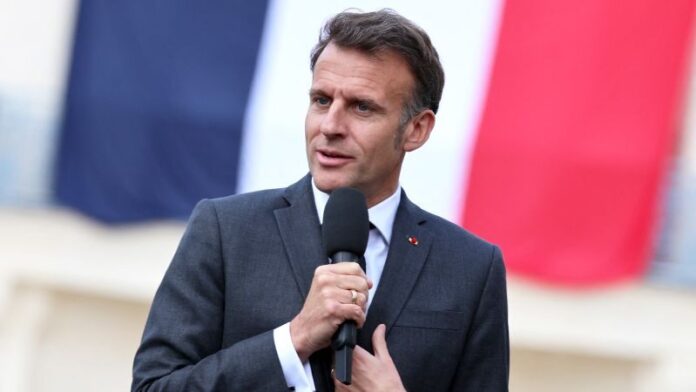
Macron has been vocal about the reasoning. ‘The brains of our children and our teenagers are not for sale,’ he said in a January video message, taking direct aim at ‘American platforms’ and ‘Chinese algorithms.’ After the vote, he posted on X that the ban would take effect from the start of the new school year in September. The political backing was strong. Lawmakers voted overwhelmingly in favor.
France is not alone here. Australia implemented a similar ban for under-16s late last year. The UK announced comparable restrictions last month. Spain, Greece, and Denmark are all moving in the same direction. So this is part of a broader shift in how Western governments are starting to treat social media companies, less like neutral platforms and more like consumer product manufacturers with a duty of care.
That last point is exactly where the European Commission is pushing. Commission President Ursula von der Leyen put it bluntly: ‘We do not expect children to design their own seatbelts.’ The framing matters. It moves responsibility away from parents and onto the platforms themselves.
But here is the problem nobody has cleanly solved yet. How do you actually verify a child’s age online? The French law is expected to rely on age controls, and Arcom will be the enforcing body. But the specific mechanism is still unclear. Australia requires companies to take ‘reasonable steps,’ which is a notoriously elastic standard. France’s own ban on minors accessing online pornography only came into force in 2025, after years of legal challenges. Age verification is technically and legally complicated, and social media companies know that.
Katia Roux of Amnesty International France made a point worth sitting with. ‘Only a shift in the business model of social media companies will truly protect all users,’ she told CNN. She is right that a law setting age thresholds does not touch the recommendation algorithms that, according to Arcom, push the most extreme content toward teenagers. TikTok’s algorithm does not care how old you say you are.
Some teenagers are also pushing back, not against the intent but against the scope. One 13-year-old told CNN the ban could cut off access to educational content. Another said it came ‘a bit too late’ for her generation. These are not trivial concerns. But they are also exactly the kind of arguments platforms have used for years to avoid accountability. The fact that a tool can sometimes be useful does not mean its default settings are safe.
- France is the first EU country to set a hard social media age limit at 15
- Australia banned social media for under-16s, the UK is following, and Spain, Greece, and Denmark are planning similar moves
- Enforcement relies on age verification technology that no country has fully figured out yet
- Arcom will oversee compliance, but the specific verification mechanism is still unresolved
The earlier draft of the bill had more teeth. It would have banned advertising that promotes social media to children and required warning labels on platform ads reading ‘dangerous products for children under 15.’ None of that made it into the final version. So what passed is significant, but it’s also a softer version of what was originally proposed. Whether it changes anything for French children depends almost entirely on how seriously platforms are forced to comply.