
A police officer in Lufkin, Texas was indicted on 100 felony counts for allegedly using Flock’s database to track people without authorization. That detail alone should tell you everything about how this technology has been managed. Now, two of the biggest states in the country are trying to get out.
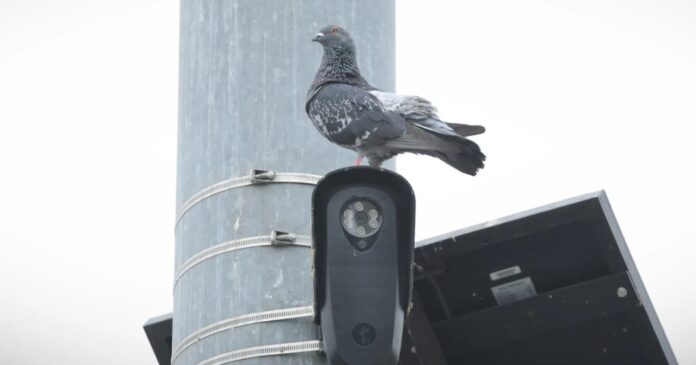
Florida’s Department of Transportation announced this week that it will stop using license plate readers on state highways, specifically citing ‘concerning reports of misuse, data privacy concerns, and surveillance schemes.’ The state has 30 days to remove the cameras. Texas moved first, ordering state agencies last week to stop funding Flock cameras entirely. As reported by TechCrunch, both decisions follow a string of serious abuse allegations and growing bipartisan pressure over civil liberties.
Florida governor Ron DeSantis called the license plate technology ‘out of control’ at a press conference last Wednesday. That’s a striking phrase from a governor not typically associated with privacy advocacy. But the problems here go beyond one bad actor in Lufkin. There have been reports of officers using Flock’s system to stalk ex-partners, accuracy failures leading to wrongful police stops, and cybersecurity concerns that raise questions about who else can access this data.
The bigger issue is scope. Flock currently operates around 130,000 license plate readers across the United States. And the company isn’t just reading plates anymore. Reports indicate it is actively working to identify and track people by other means. That shift from vehicle tracking to person tracking is significant. It changes the nature of what this surveillance network actually is.
What makes this story more than a state politics story is what Flock has done in other places when communities tried to cut ties. Towns including Evanston, Illinois, Cambridge, Massachusetts, and Eugene, Oregon, say Flock reinstalled or reactivated cameras after local officials terminated their contracts. So the question isn’t just whether Florida and Texas are doing the right thing by removing these cameras. The real question is whether Flock will respect that decision.
TechCrunch asked Flock directly whether the company plans to allow both states to remove the cameras, or whether it might reactivate them. Flock did not respond. That silence is worth paying attention to.
These events point to a wider pattern. Surveillance technology gets deployed fast, oversight comes late, and by the time communities push back, the infrastructure is already embedded. Florida and Texas pulling out is meaningful. But with 130,000 cameras still active elsewhere, and a company that has ignored contract terminations before, this is far from resolved.