
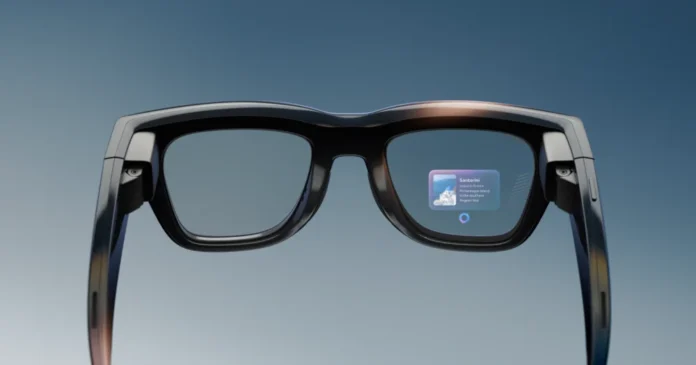
Thousands of people bought a pair of smart glasses and woke up to find the camera simply stopped working. No refund announced. No replacement offered. Meta just bricked them. That is a significant move, and it tells you a lot about where the wearable camera space is headed.
According to Android Headlines, Meta confirmed it has remotely disabled the cameras on thousands of its Ray-Ban smart glasses after detecting that users had tampered with the built-in LED indicator light. That LED is supposed to turn on whenever the glasses are actively recording. Disable it, and anyone nearby has no way of knowing they are being filmed. Meta apparently decided the appropriate response was to kill the camera permanently.
Meta did not specify the exact number of affected devices, but said it was less than one tenth of a percent of all Meta AI glasses sold. Based on sales estimates of around 7 million units in 2025, that works out to roughly 7,000 glasses. Not a massive number in the grand scheme of things. But the message it sends is clear: Meta is watching how its hardware is being used, and it has the technical ability to disable your device remotely if it decides you violated the terms.
That raises an obvious question nobody seems to be asking loudly enough. If Meta can brick your camera for tampering, what else can it monitor? The company clearly has some level of insight into device behavior at the hardware level. The anti-tampering system had to detect the LED modification somehow. Whether that involves sensor checks, firmware integrity verification, or something else entirely, Meta has not explained. And that opacity matters.
The context here is important. Ray-Ban smart glasses gained an ugly reputation in some circles as “pervert glasses” or “creep glasses,” after videos emerged of people using them to film strangers covertly in public spaces. The LED indicator was supposed to be the safeguard. It is a small, easily missed light even when it is working correctly. When someone covers or disables it, the glasses become essentially indistinguishable from a regular pair of sunglasses. For the person being filmed, there is no indication at all.
This is the same problem that destroyed Google Glass. The public reaction to Glass was visceral precisely because people felt surveilled without consent. Meta has clearly studied that failure. The company has also been watching its own reputation carefully, knowing that Apple, Samsung, and Google are all expected to release competing smart glasses in the coming years. How Meta handles privacy controversies now will shape how regulators and consumers treat the entire category going forward.
But bricking cameras after the fact is a reactive fix, not a structural one. The LED indicator was always a weak privacy guarantee. It is small, it can be obscured or modified, and most people in public would never notice it anyway. A more honest conversation would focus on whether recording-capable glasses should require a more visible, harder-to-defeat signal of active recording, something mandated at the hardware level and backed by regulation, not just corporate policy.
For now, Meta gets credit for taking action. Still, permanently disabling a device a customer paid for, without public disclosure of how the detection works, is a reminder that with connected hardware, you never fully own what you bought.