
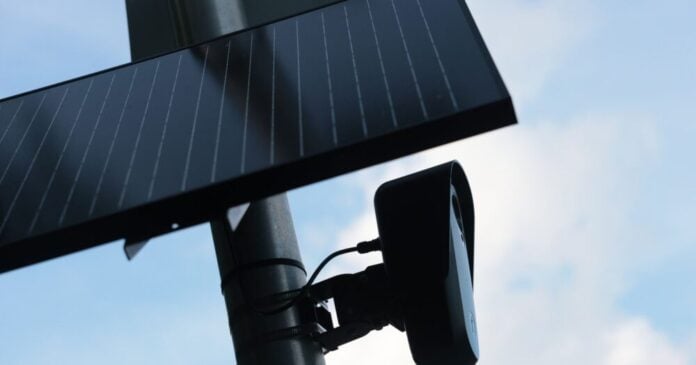
Eleven surveillance cameras were scanning cars in a Florida county, and not a single official could tell you who owned them. That’s not a hypothetical privacy nightmare. That actually happened.
When St. Lucie County decided to stop using Flock Safety cameras and began pulling them down, officials expected to remove 52 devices. According to Engadget, they found 14 more than that. Three of the extra cameras were eventually claimed by the St. Lucie County Sheriff’s Office, though the department offered no explanation for why those cameras were installed without permits. The remaining 11 had no owner at all. No paperwork. No agency stepping forward. Nothing.
County officials responded by taping plastic bags over the unclaimed devices to stop them from collecting data, and posted notices demanding that whoever owns them come remove them. A Washington Post reporter went to check on one camera and found it had been taken down, but there was no trace of who removed it. So the cameras appeared quietly, collected data quietly, and disappeared quietly. That should concern anyone who drives a car in the United States.
This isn’t an isolated incident. It fits into a much broader pattern of Flock Safety cameras expanding far faster than any meaningful oversight can keep up with. The company’s license plate readers are now reportedly in use at more than 100,000 locations across the country. They photograph vehicle plates, log timestamps and locations, and feed that data into a network that law enforcement agencies can query. The business model depends on scale, and scale creates exactly this kind of accountability gap.
Flock has faced serious criticism for a while now. Florida’s Department of Transportation banned the company’s cameras from state roads last month, blocking law enforcement from placing them there. Some cities and states are pulling back. But the retreats are slow, and the cameras already in place keep running in the meantime.
The St. Lucie situation raises questions that go well beyond one county’s inventory mistake:
- Who is allowed to install a license plate reader on a public road?
- What data was collected by the unclaimed cameras, and where did it go?
- Does Flock maintain records of which cameras are active, and does it share that with local governments?
- What stops a private actor, not a police department, from buying and deploying these systems?
Flock had not responded to requests for comment at time of publication. That silence is its own kind of answer. When a company’s hardware shows up in public spaces with no identifiable owner and the company says nothing, the people whose data was collected are left with no recourse and no explanation. That’s the real story here, not just a paperwork problem in one Florida county.