
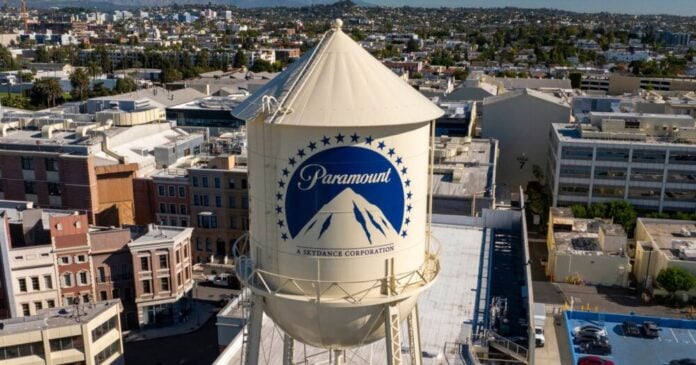
Two of Hollywood’s oldest studios are about to stop existing, at least in any meaningful corporate sense. The $110 billion merger between Paramount and Warner Bros. will produce a combined company called Skydance, named after the production firm its CEO David Ellison founded back in 2006. Ellison announced the new identity in a post on X, his first from a newly created account.
The deal is expected to close this month. Paramount cleared its biggest regulatory hurdle in September, and an antitrust lawsuit was settled last month, opening the door for the Warner Bros. acquisition to finalize. When it does, Skydance will control HBO Max, Paramount+, the Harry Potter franchise, DC properties, Game of Thrones, and more than a century of combined film and television history. That is a staggering concentration of intellectual property in one place.
Ellison’s statement leaned heavily on reassurance. He wrote that the goal was never to let a new corporate identity “diminish, alter or overshadow” either studio, and that both Paramount and Warner Bros. would “remain in the spotlight” as distinct brands. But corporate rebranding announcements always sound like that. The question is what actually changes once the lawyers and executives are done.
And there are real things to worry about here. Both CNN and CBS News will now sit inside Skydance, two major news organizations under the same ownership as entertainment studios with significant commercial interests. According to a report from Engadget, Paramount has agreed to a news editorial independence board to oversee both networks, and has reportedly committed to 30 theatrical releases per year. Those are concrete commitments, which is more than many mergers produce. But editorial independence boards have a mixed track record, and the pressure a combined entertainment and news giant faces, from advertisers, regulators, and its own financial targets, is not small.
The broader context matters here. Media consolidation has been accelerating for years. Streaming wars burned through billions and left the industry restructuring in ways that would have seemed impossible a decade ago. Merging Paramount and Warner Bros. is less a bold strategic move and more a survival calculation, two struggling giants combining because neither could comfortably go it alone. Skydance gets scale. Whether audiences, journalists, or anyone outside the boardroom gets anything useful from this is a different question entirely.
So the name is Skydance. The studios keep their brands. And two newsrooms that are supposed to hold power to account are now owned by one of the largest entertainment conglomerates on the planet. Worth watching closely.