
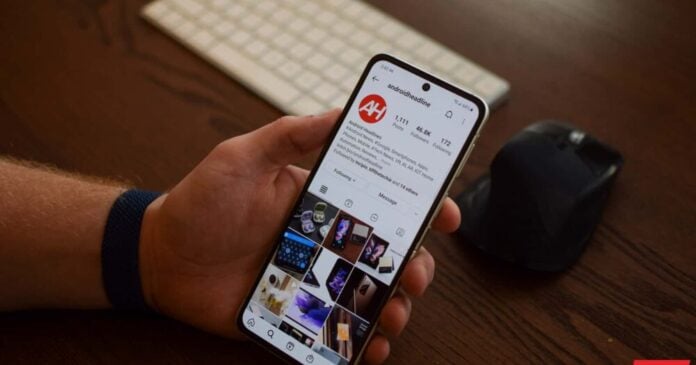
Accidentally liking a photo from 2019 at 2am is a social media nightmare most people know too well. Instagram apparently knows it too, because the platform is quietly testing a read-only mode that would let you scroll through someone’s profile without leaving any trace of your visit. No likes, no comment slips, no accidental follows. Clean in, clean out.
App researcher Alessandro Paluzzi spotted the feature in Instagram’s code before any official word came out. As reported by Android Headlines, the mode appears to be tied to Instagram Plus, Meta’s paid subscription tier. So yes, the company might charge you a monthly fee to stop your own thumbs from embarrassing you.
When read-only mode is active, the platform locks out all interaction with the profile you’re viewing. That means:
- No liking posts
- No leaving comments
- No sending direct messages
- No following the account
- No viewing active Stories
The result is pure, frictionless browsing. For someone catching up on an old acquaintance or doing some low-stakes research on a new connection, that sounds genuinely useful. The accidental double-tap problem is real, and Instagram has never offered a clean solution for it.
But here’s where it gets uncomfortable. Removing every interaction signal also removes accountability. Right now, an unexpected like or a Story view can alert someone that a specific account is watching them. That’s not just a social embarrassment mechanic, it’s a basic warning system. Erase it, and you’ve made it significantly easier for someone with bad intentions to monitor a person repeatedly without ever triggering any alert.
This matters because Instagram already has well-documented problems with harassment and stalking. A feature that makes invisible browsing easier, especially one gated behind a paid subscription that signals a deliberate, active choice, could make those problems worse. Meta would need serious safeguards in place before anything like this goes live, and the company has a mixed track record on getting those details right before launch.
An Instagram spokesperson confirmed to Engadget that this is purely an internal experiment, with no external testing happening yet. That’s the standard line for features caught in the wild by researchers, and it genuinely might go nowhere. Platforms build and discard experimental ideas constantly.
Still, the direction is telling. Packaging reduced digital footprints as a premium perk fits neatly into how platforms are increasingly monetizing user anxiety. The question isn’t whether this is a clever idea. It’s whether Meta will think hard enough about who else benefits from making people invisible online before it decides to sell that capability.