
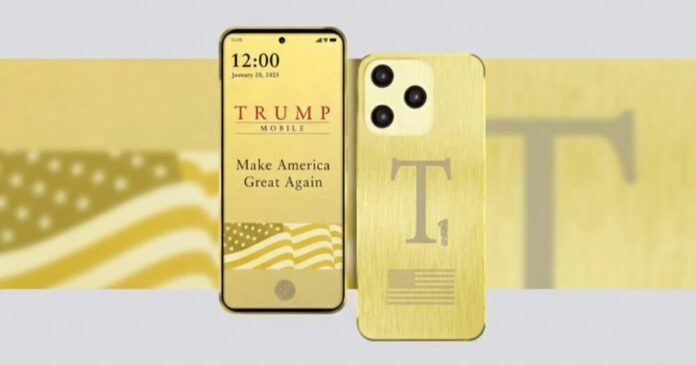
When a company gets hacked, the bare minimum expectation is that someone, somewhere, is responsible for dealing with it. Trump Mobile apparently couldn’t meet that bar. According to a statement published on a dark web site by the hacker group behind the breach, Trump Mobile’s response to being notified was: “We have no team to handle this.”
As reported by Android Headlines, a criminal group called BYOD exposed personal information belonging to approximately 3,615 Trump Mobile customers. The leaked data is not trivial. It includes full names, email addresses, phone numbers, home addresses, and order details tied to each customer’s account. BYOD then published an alleged transcript of Trump Mobile’s response, which also included the company calling the hackers terrorists. The group’s reply, posted publicly, was essentially an open invitation for anyone to go look at the data themselves.
That kind of public taunting matters beyond the drama. It signals that the data is actively circulating, not just sitting in a private forum. For those 3,615 people, the risk is real and ongoing. Home addresses combined with phone numbers and order history is the kind of combination that feeds phishing attacks, SIM-swapping attempts, and physical security risks.
What makes this worse is that it isn’t Trump Mobile’s first breach. Back in May, the company’s T1 Phone was connected to a separate data leak that exposed early customers, including people who had paid a $100 deposit to reserve the device. In that case, Trump Mobile acknowledged the breach but blamed a third-party platform provider. Even then, a company spokesperson admitted they hadn’t decided whether to notify affected customers. That’s a significant red flag on its own.
Trump Mobile operates as a Mobile Virtual Network Operator, meaning it doesn’t own network infrastructure. It resells access through major carriers under the Trump brand. That business model isn’t the problem here. The problem is what this pattern of incidents suggests about how the company treats security as an operational priority.
Two breaches in months, a reported lack of any internal security team, and a reluctance to notify customers. That’s not bad luck. That’s a structural failure. And users who handed over their personal information to sign up for this service are the ones absorbing the consequences of it.
So what should affected customers do? A few practical steps worth taking immediately:
- Change passwords on any account that shares credentials with your Trump Mobile account
- Enable two-factor authentication on email and financial accounts
- Watch for phishing emails or texts that reference your name or address
- Consider placing a credit freeze if your financial details were at risk
- Monitor your phone account for unexpected SIM changes
One other detail worth noting: reports suggest no data belonging to Trump family members was part of the leak. Whether that’s because they simply don’t use the service or because the group made a deliberate choice is unclear. Either way, it does nothing for the thousands of paying customers whose information is now publicly available.