
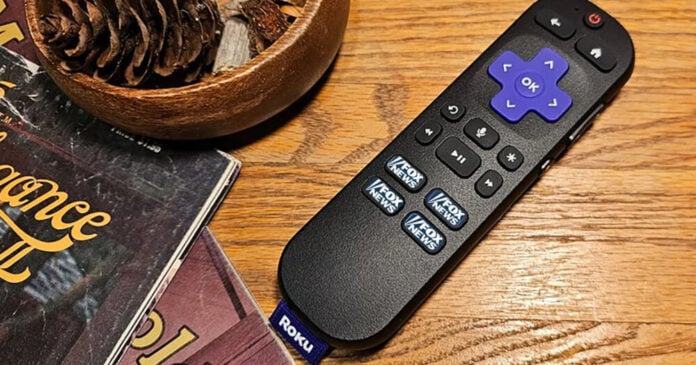
Fox Corporation now owns the box that sits between you and your TV. That should make privacy-minded viewers uneasy, and not just because of what might show up on the home screen.
Fox wrapped up its $22 billion acquisition of Roku, a deal first announced in June. Five months is a short turnaround for a merger this size. The Trump Justice Department cleared it after a review, and that was that. Roku founder Anthony Wood joins Fox’s board and will co-lead Fox Digital Platforms, a new division covering Roku, Tubi, Fox One and other digital brands.
Here’s what Fox bought. Roku reaches more than 100 million households globally and acts as the gateway to Netflix, YouTube TV, Disney+ and plenty more. It also sells ads and subscription bundles, and it owns its own streaming service, Tubi. Fox actually sold its Roku shares in 2020 to help pay for buying Tubi. Now it has both.
The timing is awkward for Fox’s news arm. Fox News viewership fell 27 percent year over year in October, while CNN grew 3 percent and MS NOW, formerly MSNBC, rose 16 percent. Fox News still beats CNN and MS NOW combined, so nobody should call it weak. But a company watching its linear audience slip has an obvious reason to want a bigger digital footprint.
Fox says Roku will stay an “open platform” for every content partner. Fine. But the worry was never mainly about services getting removed. It’s about what gets promoted, and that’s a question of defaults, placement and recommendations. Those are easy to tilt and hard for users to see.
And this is where privacy comes in. A streaming platform that sells ads knows what you watch, when you watch it and which household you’re in. Roku’s business already runs on that data. Combine it with a media company that has its own ad inventory, its own free service in Tubi and its own news operation, and the incentives get uncomfortable. Who gets targeted, with what content, based on which viewing habits? Neither company has said how the data will be handled post-merger, and a promise of openness doesn’t cover it.
The bigger trend is consolidation. Streaming hardware, ad tech and content production are collapsing into fewer hands, and regulators are waving the deals through. Each merger gives one company a wider view of your viewing life and more ways to act on it.
If you own a Roku, check your privacy settings now. Limit ad tracking, turn off automatic content recognition if your device offers it, and watch for changes to the terms of service. Corporate owners rarely announce the interesting changes. They just update the policy and wait.