
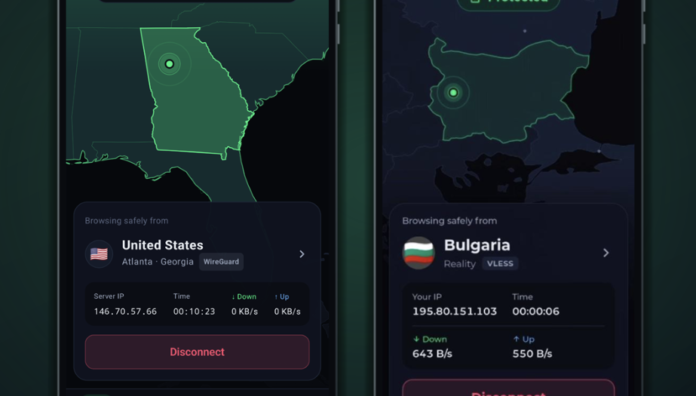
A VPN app that leaks traffic while it reconnects is a VPN app that fails at the one job you installed it for. TorGuard’s old Android client did exactly that in some cases, and the company has now announced a rebuild of both its Android apps.
The old version, 1.60, let traffic leave the tunnel when you paused the VPN unless you had turned on Android’s lockdown mode yourself. TorGuard also says some of its networking components dated back to 2017. That is a long time for code that sits between your phone and the open internet.
What changed in TorGuard VPN 2.0
The headline feature is an in-app kill switch. It holds traffic while the VPN connects, reconnects or switches networks, with three modes: Protect connection, Always on, and Off. The app also blocks IPv6 so it can’t slip around the tunnel. Good. Both are basic requirements, not extras, but they are better late than never.
Protocol support has been updated too. The app ships WireGuard, OpenVPN 2.7 and OpenConnect 9.21, which is new on Android. OpenConnect can run over port 443, where it looks like ordinary HTTPS. Scramble, Stunnel and Stealth Proxy return, and WebSocket joins them for restrictive networks.
Version 2.0 is in beta and rolls out gradually on Google Play. Settings from the old app won’t carry over, so you will need to sign in again.
The V2ray app tests before it trusts
The separate TorGuard V2ray app runs on Xray and supports VLESS with Reality, VMess, Trojan and Shadowsocks. The useful change is behavior. When you tap a location, it tests the servers there and picks the fastest one that responds. Once connected, it checks that traffic actually passes through the tunnel before showing Protected.
If the server dies, the status flips to No connection, and the app looks for another server in the same country while keeping your traffic blocked. That’s the right order of operations. It also checks your public IP through several independent lookup services, which means those services see requests from your tunnel. Worth knowing.
Privacy claims, and what they’re worth
TorGuard says both apps have no ads, analytics or tracking SDKs. The VPN app stores sign-in data in Android’s hardware-backed Keystore and masks usernames in diagnostic logs sent to support. The V2ray app keeps visited sites out of device logs and excludes server settings from cloud backups.
These are specific, checkable claims, which is better than vague promises. But they are still the vendor’s own statements. Neither app is described as independently audited, and a source-available build would settle a lot. Until someone inspects the network traffic, treat them as promises, not proof.
Why it matters
Mobile is where VPNs fail most. Phones hop between Wi-Fi and cellular constantly, and every handoff is a chance to leak. Built-in kill switches that don’t depend on you finding an Android setting are where the industry should be. Both apps are rolling out now, with APKs available directly for anyone who wants to test sooner.