
When a defense contractor tells you the sky is falling and that AI-powered defense is the umbrella, it’s worth asking who sells umbrellas. Still, Palmer Luckey’s warning deserves a hearing, because the outages behind it are real.
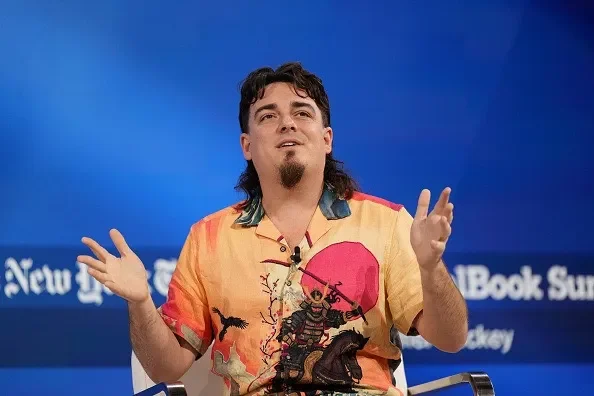
Speaking at The New York Times DealBook Summit, the Oculus founder and Anduril co-founder argued, according to TechCrunch, that AI tools are producing exploits faster than legacy systems can be hardened. “We’re seeing the natural effects of a lot of these advanced AI tools allowing for the creation of various exploits,” he said.
Government officials have mostly pinned the recent run of outages on companies scrambling to patch vulnerabilities that AI found. Luckey pointed somewhere else: the old technology underneath. Those two explanations aren’t exclusive. Rushed patching breaks things, and brittle legacy stacks break first. But the framing matters, because it decides who gets blamed and who gets budget.
Luckey said U.S. adversaries are exploiting the gap between fast attack tools and slow defenses, for both strategic and financial gain, with North Korea singled out. That fits a long pattern. North Korean groups have stolen huge sums in crypto theft to fund state priorities. AI that finds bugs cheaply only lowers the cost of that business.
The mood at the event was tense. Moderator Andrew Ross Sorkin noted that Vice President J.D. Vance canceled his appearance to attend meetings about the outages. Asked how worried people should be, Luckey said, “It depends on how well prepared you are,” then added that “you guys are going to find out what’s going on soon enough.” That’s vague and a little theatrical. He offered no details, no affected vendors, no timeline.
His long-term view is that the advantage goes to whoever uses AI best for defense. “With the people who say that everything can be hacked, they are right, for now,” he said. His fix is speed: “It’s time to start running.”
Here’s the privacy problem. Hospitals, utilities, local governments and small businesses run the oldest systems, and they hold the most sensitive personal data. They can’t buy their way into AI-driven defense overnight. When they fail, the cost lands on ordinary people through leaked records, frozen services and fraud.
And AI defense isn’t free of its own risks. Tools that scan your systems for flaws often need deep access to code, logs and traffic. Handing that to a third-party vendor or an AI model concentrates data in new places. That’s another target.
So take the warning seriously, but not the sales pitch on faith. Patch faster, retire what you can’t patch, and ask any vendor offering AI defense exactly what data it sees and where that data goes.