
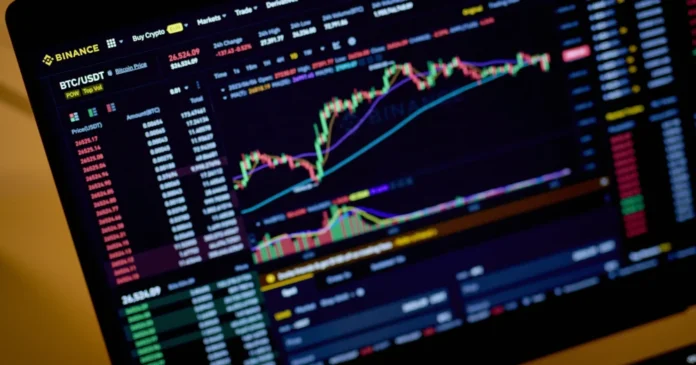
If your funds are completely safe, why halt withdrawals on multiple networks? That is the question Binance has not answered. The exchange told users to rest assured while it shut the exit door.
According to TechCrunch, Binance confirmed it is investigating a potential security issue after users reported funds draining from its wallets. Spokesperson Ross O’Leary said withdrawals were suspended “as a precautionary measure” following a security incident. That is a stronger admission than the “potential issue” language in the company’s written statement. Founder Changpeng Zhao, who no longer runs Binance but is its largest shareholder, said on X that the company had likely been hacked. He expects users to be “fully covered” but gave no explanation.
The numbers are ugly, though unconfirmed. Crypto watchers say at least $2 billion has left Binance’s hot wallets, and some estimates reach $5.7 billion. The theft may still be going on. Hot wallets are internet-connected by design, which makes them convenient for withdrawals and attractive to attackers. Exchanges keep them funded because customers expect instant access. That tradeoff is the whole risk model.
Stablecoin issuers are already stepping in. Circle froze about $800 million in Tether passing through its networks, and Tether froze roughly $1.56 billion tied to the hack. Worth pausing on: a private company can lock money in motion at will. It may help here. But it also shows how little control holders have over assets they supposedly own.
Nobody knows who is behind this. Binance did not say whether the hackers contacted it. If the losses reach the billions, this would rank among the largest crypto thefts ever, topping the record $1.4 billion taken from Bybit in 2025, which was blamed on North Korean hackers.
There is also a separate incident. Polymarket briefly halted trading after a third-party company was compromised, and researchers say hackers took around $2 million after breaching software from a company called DebugBear. Different scale, same lesson: your security is only as good as your vendors.
For users, the privacy angle is practical. Centralized exchanges hold your funds, your identity documents, and your transaction history. A breach of wallets is bad. A breach that spills KYC data is worse, and Binance has said nothing about that. Expect phishing, because attackers love a crisis. Binance itself warns against unofficial links and requests for account information, which is sound advice even from a company whose own assurances deserve scrutiny.
The old rule still holds. Not your keys, not your coins. Binance says it will update users through official channels. Until it publishes verified details, treat “completely safe” as a claim, not a fact.