
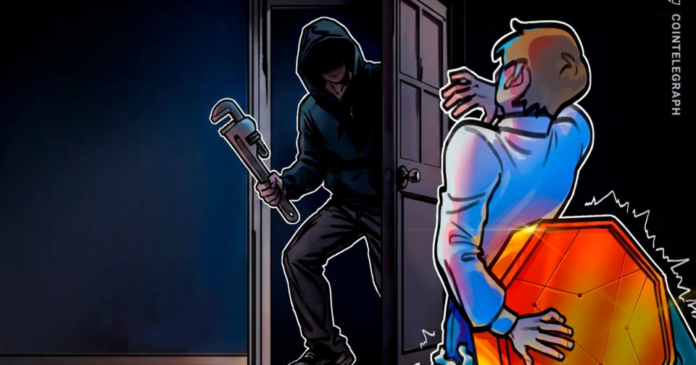
The most dangerous threat to your crypto right now isn’t a phishing link or a smart contract exploit. It’s someone showing up at your front door. According to blockchain security firm CertiK, home invasions became the single most common form of so-called ‘wrench attacks’ in the first half of 2026, jumping from just one recorded incident in H1 2025 to 20 in the same period this year. That’s not a trend. That’s an alarm.
CertiK reported 52 verified wrench attacks globally in H1 2026, up 33.3% from 39 in the first half of 2025. The term ‘wrench attack’ refers to physical coercion, where criminals bypass encryption entirely by threatening violence against holders or their families. Kidnappings rose from 12 to 16 incidents. Robberies, oddly, fell from five to one. But the headline number is financial exposure, which reached approximately $124.1 million, up from $10.5 million a year earlier. CertiK notes this figure includes ransom demands, victim transfers, and failed attempts, not just confirmed thefts. Still, the scale of the increase is hard to dismiss.
France dominates this story in a way that’s difficult to explain away. Of the 52 verified incidents, 33 occurred in France. Europe as a whole accounted for 39. French Interior Minister Laurent Nuñez put the number even higher on July 2, citing 77 crypto-linked kidnappings, extortion cases or attempted extortions in H1 2026 alone, compared to 45 for all of 2025. French authorities have since launched a dedicated prevention platform and a rapid-alert system, and Nuñez credits emergency measures with producing 200 arrests. That’s a real response. But 200 arrests doesn’t undo the fact that France has become, by a wide margin, the most physically dangerous place in the world to visibly hold crypto.
CertiK’s explanation for the French concentration points to data breaches that link real identities and home addresses to perceived crypto wealth. This matters because it connects two problems the industry has largely treated as separate: personal data exposure and physical security. If your name, address, and rough net worth in crypto are floating around from some exchange breach or KYC leak, you are a potential target. The digital paper trail creates the physical risk.
The security recommendations CertiK offers are worth taking seriously, even if they come from a firm with commercial interests in promoting complex custody solutions. They suggest:
- Multisignature or multiparty computation wallet arrangements
- Withdrawal delays and spending limits
- Geographically separated signers so no single person controls full access
- Avoiding any single point of coercion
The underlying logic is sound. If one threatened person can’t immediately release all available assets, the attack becomes less rewarding. But the broader implication is uncomfortable. The industry has spent years telling people to take self-custody, to hold their own keys. That advice assumed the threat model was digital. Physical coercion rewrites the rules entirely, and no seed phrase stored in a fireproof safe helps much when someone is threatening your family.