
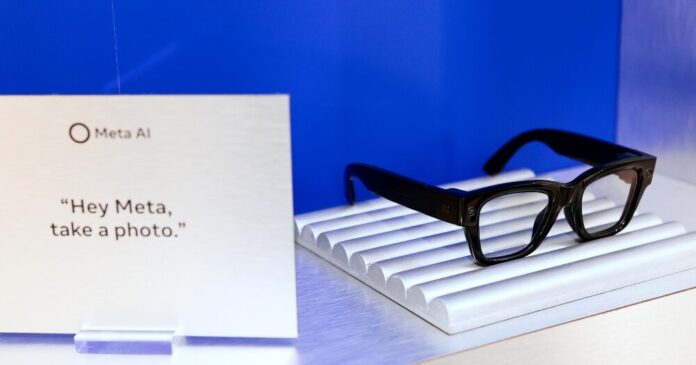
A Hamburg regulator thinks Meta’s smart glasses might already be illegal under German law. That’s not a fringe opinion from a technophobe. It’s a serious legal signal, and it’s part of a growing chorus across Europe that these devices have a fundamental privacy problem that a blinking LED light cannot fix.
As reported by Euractiv, Thomas Fuchs, the commissioner of Hamburg’s data protection authority, told German broadcaster ARD that smart glasses are essentially disguised cameras. Germany has laws that prohibit recording devices hidden in everyday objects, and Fuchs believes Meta’s glasses could fall under that prohibition. His office is actively assessing the product, with specific attention on those LED indicator lights and how data captured by the device gets used for AI training.
The European Data Protection Board is also expected to publish a report on smart glasses by the end of this summer. France’s regulator, the CNIL, raised concerns back in March, warning that these devices can capture, process, and interpret data in real time without bystanders ever knowing it’s happening. That’s not a hypothetical risk. It’s already occurring.
Meta’s Ray-Ban smart glasses have been used to film people without their knowledge or consent. Women have been particularly affected, with documented cases of the wearable being used by men to covertly record interactions later posted to social media. Meta responded by adding a safeguard that supposedly disables recording if someone tampers with the LED indicator. But asking people to trust that a small blinking light is a meaningful privacy protection is a stretch, and regulators clearly aren’t buying it.
The story gets worse. Swedish newspapers Svenska Dagbladet and Goteborgs-Posten reported in March that Meta was sending audio recordings from the glasses to a contractor in Kenya for AI annotation. Those recordings included intimate content. Meta told Ireland’s data protection authority, which leads Meta’s GDPR supervision in Europe, that European users’ data was not involved. That claim has not been independently verified.
This matters beyond Meta. Smart glasses are a product category that several companies are now building. The core tension is structural: a device that looks like ordinary eyewear but functions as a networked camera and microphone creates a consent problem that no amount of product design can fully solve. Bystanders cannot opt out of being recorded by someone walking past them on the street.
Regulators are right to push hard here. The question is whether the legal frameworks move fast enough to match what’s already on people’s faces.