
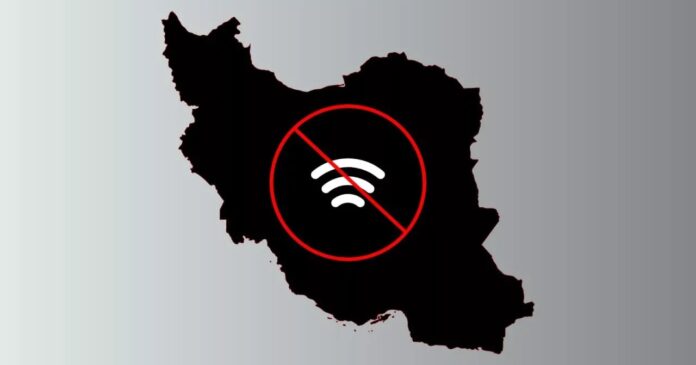
Iran’s internet restrictions have created a massive black market economy worth millions of dollars, benefiting powerful networks connected to the country’s telecom infrastructure while leaving ordinary citizens trapped behind digital walls. A new investigative report by journalist Yashar Soltani exposes how these policies have pushed Iranian users into a “tiered internet” system where access to the global web has become a luxury commodity.
The findings highlight a stark contradiction in Iran’s approach to internet control. While officials justify shutdowns under the banner of “security,” users can bypass these restrictions by paying premium prices for “Internet Pro” packages or navigating an underground VPN market. This system has effectively monetized internet access, forcing Iran’s 90 million citizens to choose between digital isolation and expensive workarounds.
This development represents a significant escalation in digital authoritarianism, creating a model that other restrictive regimes may study and potentially adopt. The report reveals how internet restrictions have evolved from simple censorship tools into sophisticated economic control mechanisms that generate substantial revenue for connected interests while suppressing public access to information.
According to Soltani’s analysis, the majority of Iranians have lost stable access to the global internet. Instead, users are limited to a narrow network of low-quality domestic services that fail to meet basic needs. Local search engines cannot handle simple queries, while domestic messaging apps are plagued with bugs and inefficiency.
The pricing structure reveals the system’s contradictions. Users can purchase a 50GB Irancell package disconnected from the global internet for around 400,000 Tomans (roughly $8). However, accessing the same amount of data through Hamrah-e Aval’s “Internet Pro” service costs 2.5 million Tomans (about $50) – more than six times the price.
This price gap raises questions about the genuine security concerns behind internet restrictions. If global internet access truly threatens national security, why does paying more suddenly remove that threat? Many Iranians now believe powerful interests have discovered a profitable market they refuse to abandon.
The report identifies key players benefiting from this system. Around 90% of Hamrah-e Aval’s shares are owned by the Telecommunication Company of Iran (TCI). While officially presented as non-governmental, the ownership structure tells a different story:
- The “Etemad-e Mobin Consortium” controls 50% plus one share of TCI, giving it managerial control
- This consortium includes the “Tadbir Economic Development Group,” affiliated with the Execution of Imam Khomeini’s Order (EIKO)
- It also includes the “Mehr Eqtesad-e Iranian Investment Company,” linked to the IRGC Cooperative Foundation
These two entities effectively operate Iran’s broader telecommunications structure, positioning them to profit from internet restrictions while remaining largely unaccountable to public oversight.
The current situation has reached extreme levels. Since February 28, 2026, following Iran’s conflict with the U.S. and Israel, the country has experienced its third total internet blackout of the year. This represents the largest complete internet shutdown currently happening anywhere in the world.
Despite nationwide restrictions, certain groups maintain unrestricted access and profit from selling connectivity to others:
- Starlink owners: Individuals with satellite internet access sell VPN services despite legal risks, with “Starlink VPNs” commanding extremely high prices
- White SIM card holders: People on special “whitelists” whose mobile internet remains unfiltered can purchase static IP addresses and create profitable internet tunnels
- Server owners: Companies with domestic servers maintaining unrestricted global connectivity, like “Vroute,” openly sell VPN services with online payment gateways
Technical experts say authorities could easily shut down VPN services by tracking symmetrical traffic patterns. The fact that this massive and profitable market continues operating openly raises serious questions about the political will behind internet restrictions.
The economic impact extends beyond individual users. Businesses struggle with connectivity issues, while the country’s digital economy suffers from isolation. Students and researchers lose access to educational resources, and entrepreneurs cannot compete in global markets.
This system also creates broader social inequalities. Wealthy Iranians can afford premium internet packages or black market VPNs, while ordinary citizens are left with dysfunctional domestic alternatives. This digital divide reinforces existing economic disparities and limits social mobility.
The report suggests that while the government publicly opposes tiered internet access, it lacks the authority to change the situation. Key internet decisions are made by Supreme Councils operating beyond the reach of both government and Parliament, creating a system where public dissatisfaction persists while connected networks profit.
Iran’s approach could influence other authoritarian regimes looking to control information while generating revenue. The model demonstrates how internet restrictions can be weaponized not just for censorship, but as economic control mechanisms that benefit select groups while suppressing broader access to information and opportunities.
As the current blackout continues into its second month, millions of Iranians remain digitally isolated while black market operators earn substantial profits. This situation highlights how internet freedom has become not just a political issue, but an economic one that shapes power structures and social inequality in the digital age.