
Mexico has just ordered every platform that hosts user content to keep minors away from harmful material, and it did it with a presidential pen, not a vote. That choice matters as much as the rules themselves.
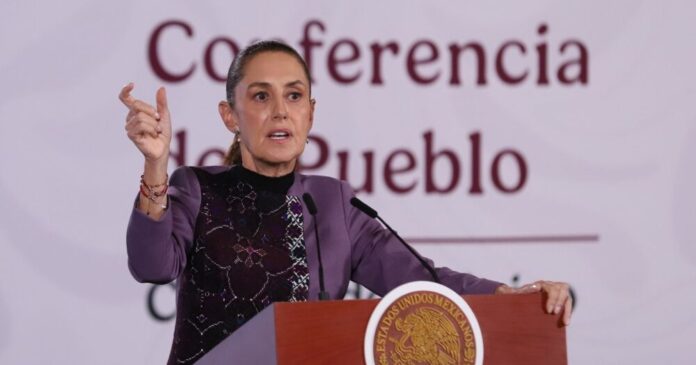
President Claudia Sheinbaum signed a decree, according to Engadget, that gives platforms 30 calendar days to put the mandatory measures in place. There is no punishment at first. If companies drag their feet, the government says it will pursue further legislation. So for now this is a very firm request with a threat attached.
The scope is wide. The decree covers social media and any service where people can create, distribute or share content. Minors are to be blocked from hate speech, violent extremism, sexual abuse and exploitation, suicide, self-harm, eating disorders, school violence, harassment, cyberbullying, unlawful conduct and explicit sexual material.
Platforms must also remove accounts or content that promote violence, add age classifications for content, and offer parental supervision and reporting tools. Younger users get stronger default privacy and safety settings. Companies must keep a 24/7 point of contact for investigators, preserve evidence, and alert authorities when they spot life-threatening content. Enforcement falls to ADTT, the Agency for Digital Transformation and Telecommunications.
Here’s what should worry privacy-minded readers. Age classifications and tighter settings for minors only work if a platform knows who is a minor. The announcement says nothing about how. In practice that usually means ID uploads, facial age estimation or heavy behavioral profiling, each of which creates a pile of sensitive data that someone has to store and secure. Add mandatory evidence preservation and a permanent line to authorities, and you have a surveillance-adjacent setup with no stated limits on retention or access.
The decree route is also unusual. Mexico isn’t the first country to act on children’s online safety. Australia, Europe, China and US states including Florida, Mississippi, Ohio and Texas have all moved in some form. But those efforts came through legislation, with debate, amendments and some chance for public scrutiny. A decree skips most of that.
Mexico also has a history of floating blunt ideas. It previously considered an eight percent tax on violent video games before Sheinbaum dropped it. And Australia’s pioneering under-16 social media ban already shows the limits: minors found ways around age-verification tools early on.
The likely outcome is familiar. Big platforms will bolt on checks, kids will route around them, and everyone else will hand over more personal data. The 30-day clock is the thing to watch, along with whatever the government says about verification once it runs out.