
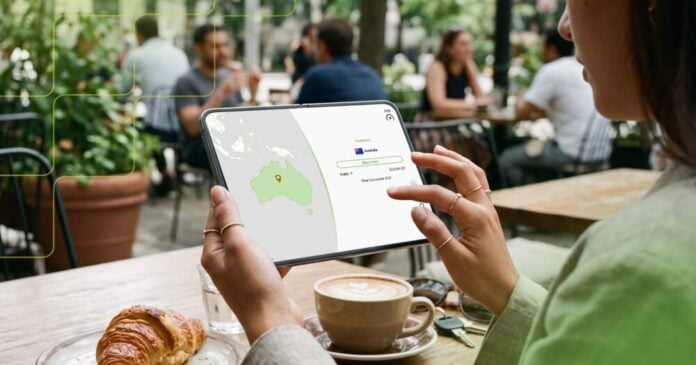
A VPN app that fits a folding screen is not a privacy feature. It’s a layout update. That distinction matters, because IPVanish is announcing what it calls the first VPN made for the iPhone Duo, and the marketing is doing a lot of heavy lifting.
Here is what we know. Apple has launched the iPhone Duo, its first foldable phone. IPVanish says it has released an updated iOS app that supports the device from day one, designed for the foldable interface. That is essentially the whole claim. The company frames it as privacy tools needing to adapt to new form factors, which is true in the narrow sense that apps have to render properly on new screens.
What the announcement does not say is more interesting. There are no details on protocol changes, no word on how the app handles network switching on a device that may spend its day moving between folded and unfolded states, and nothing about independent audits tied to this release. Pricing and any special availability terms are also absent from the material we have, so assume the standard IPVanish subscription applies until the company says otherwise.
So what should a privacy-minded buyer actually ask? First, whether the VPN’s kill switch and on-demand rules work correctly on iOS, which has long restricted what VPN apps can do. Apple’s network extension framework limits how tightly any third party can lock down traffic, and a new hardware shape does not change that. Leaks during network handoffs, DNS behavior, and IPv6 handling are the real tests, and none of them depend on screen size.
Second, who runs the service. IPVanish is owned by Ziff Davis, which also owns several other VPN brands and review sites. That is not disqualifying, but it is context for any ‘first’ or ‘best’ claim coming from a vendor with commercial ties across the VPN market. Treat day-one support as a sign of a decent engineering pipeline, not a security guarantee.
The bigger picture is familiar. Every new device category triggers the same cycle: hardware launches, and vendors rush out press releases proving they are ready. Foldables, wearables, and headsets all got this treatment. In most cases the underlying tunnel code is identical, and the difference is cosmetic. That’s fine, as long as nobody pretends otherwise.
There is a legitimate point buried here. Foldables create new surfaces for data exposure, including multiple app windows, continuity features that pass information between screens, and possibly new sensors and system services we haven’t seen audited yet. A VPN encrypts traffic in transit. It does nothing about what Apple’s own services or other apps collect on the device itself. Anyone buying a VPN to feel protected on a new phone should understand that limit.
My advice is simple. If you already use IPVanish, update the app and test it for leaks with a reputable tool after you set up the phone. If you are shopping, ignore the ‘made for’ language and look for recent third-party audits, a clear no-logs policy backed by evidence, and transparent ownership. A VPN that works on your new phone is the minimum. It isn’t news, and it isn’t a reason to trust the company with your traffic.