
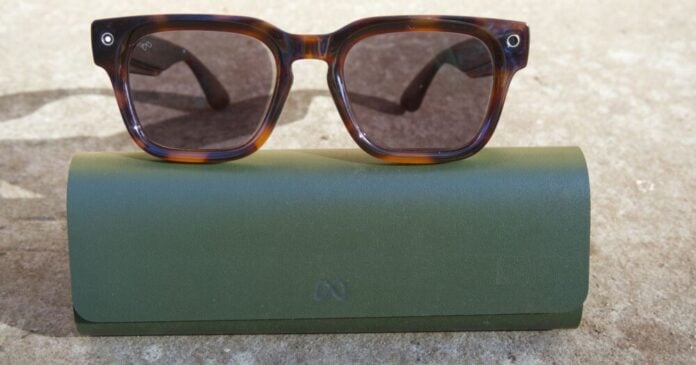
There’s a thriving market for cheap accessories designed specifically to block the recording light on Meta’s smart glasses without anyone nearby noticing. That single fact tells you everything you need to know about how seriously some people are taking Meta’s privacy safeguards, and how much work the company still has ahead of it.
Meta has announced a new software update for its Ray-Ban smart glasses that closes a specific loophole: users who started a recording and then covered the LED indicator light to hide it from bystanders. According to Alex Himel, Meta’s VP of AR, the fix is straightforward. The camera will now stop recording entirely if the LED is covered mid-session. “The camera won’t start recording if the LED is blocked, but some people try to bypass this by starting a recording and then covering it up,” Himel wrote on Threads. That workaround had been circulating in online tutorials for some time.
This is the second software patch in under two months targeting the same problem. Last month, Meta said it would disable cameras on glasses where the recording light had been physically damaged. So the company is clearly playing defense, reacting to tactics as they surface publicly rather than getting ahead of the problem with hardware-level solutions. And that’s a meaningful distinction. Software fixes can close specific loopholes, but they can’t address every creative workaround that people discover, and determined bad actors tend to find new angles fast.
The broader context matters here. Meta’s glasses have been used by people to covertly film strangers in public, sometimes as part of harassment campaigns. Instagram has banned accounts tied to some of those videos. But banning accounts after the fact and patching software after loopholes go viral are both reactive moves. The LED indicator was always a fragile privacy mechanism, one that depends entirely on bystanders knowing what it means and being close enough to see it.
Meta is now running what it calls an “education and awareness campaign” to explain how the LED works. The company has put up a billboard in Los Angeles featuring its glasses with the recording light lit up, alongside the message that the product is “designed for everyone, not just the people wearing them.” More cities are apparently coming. A billboard is not a privacy feature. It’s marketing. And framing covert recording concerns as an education problem rather than a product design problem is a significant rhetorical choice.
Himel insisted that “only a tiny minority of people try to get around these protections,” and that the effort required to do so proves the protections are working. But if accessories to defeat those protections are commercially available and widely discussed online, the minority doing it isn’t exactly hidden. The question users should be asking isn’t whether Meta is fixing loopholes. It’s whether a visible LED light was ever a sufficient privacy guarantee for a wearable camera in the first place.