
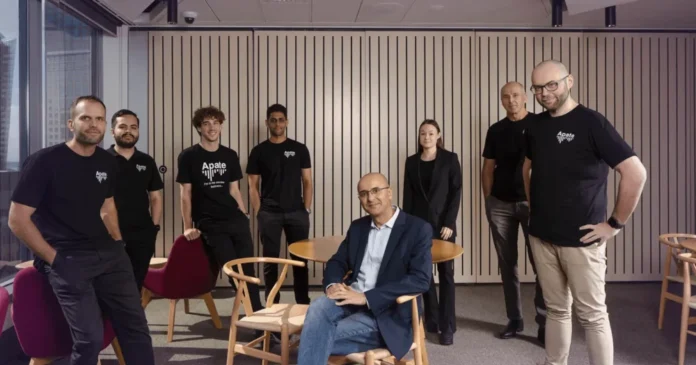
A 44-minute phone call at a family picnic is the origin story for one of the more creative anti-fraud ideas to come out of the AI boom. Dali Kaafar, now CEO of Australian startup Apate.ai, got a scam call, decided to play dumb for laughs, and kept the fraudster on the line long enough to realize something: that was 44 minutes the scammer hadn’t spent targeting a real victim. The obvious follow-up question was whether a machine could do the same thing, at scale, and actually learn something useful in the process.
As TechCrunch reported, that question became a research project at Macquarie University in Sydney, and eventually a company. Founded in 2024, Apate deploys thousands of AI agents that pose as potential scam victims. They answer calls, reply to suspicious messages and emails, follow phishing links, and infiltrate social media groups. The agents can speak multiple languages, adopt different ages, genders, and accents, and are designed to keep fraudsters engaged long enough to extract information those fraudsters would rather keep hidden.
So far, the company claims its agents have wasted 17 years of scammers’ collective time across 2.5 million conversations. But the more commercially interesting part is what gets pulled out of those conversations: bank account numbers, crypto wallet addresses, phone numbers, fake websites, and the brand names scammers are impersonating. That intelligence gets fed to Apate’s customers, which include Commonwealth Bank of Australia, TPG Telecom, and various government agencies and utilities. TPG has reportedly redirected nearly 590,000 calls to Apate’s agents. Commonwealth Bank says it has seen a 76% drop in publicly reported scam losses.
Those are big numbers, and they deserve scrutiny. Correlation is not causation, and vendors measuring their own impact is always worth questioning. Still, the underlying logic is sound. As co-founder Brad Joffe put it, most of the industry is reactive: telcos block numbers after the fact, banks flag transactions once a victim is already compromised. Apate’s pitch is that going directly to the scammer, before anyone gets hurt, gives its customers a genuine head start.
The context matters here. The FBI received more than 22,000 complaints of AI-related crimes in 2025, resulting in roughly $893 million in losses. Scammers are using AI to run conversations at scale and to generate deepfake voices and faces of executives and public figures. The fraud problem is not static. It’s getting technically sharper, faster, and harder to detect. Any credible response probably has to match that sophistication.
Apate uses a mix of frontier models and its own fine-tuned models, trained on real scammer conversations and Kaafar’s academic research. Customers get access to an intelligence portal and can assign agents specific goals, like extracting a particular bank account number. Text-based agents can also scan forums and investment groups for suspicious activity and enter conversations with fabricated identities.
The startup raised $8.15 million in seed funding in August, bringing its total to just under $10 million. That money is going toward product development and international expansion, including a London office and a bigger push into the US market. The company has 20 employees. The name, Joffe noted, comes from the Greek goddess of deception. They apparently celebrate every time a scammer swears at one of their bots. Given what those bots are doing, that seems fair.