
TikTok knew its recommendation algorithm could push vulnerable teenagers into spirals of harmful content. And according to a new congressional letter, the company chose to keep a safety fix away from millions of users anyway, because it wanted clean data on how that fix would affect engagement. That’s not a bug. That’s a business decision.
Senators Marsha Blackburn and Richard Blumenthal sent a sharply worded letter to TikTok executives this week after Bloomberg reported on an internal experiment the company began in 2021. The experiment was tied to a feature designed to stop users from falling into what TikTok itself called “repetitive patterns,” the kind of filter bubble where the algorithm keeps serving the same type of content on a loop. TikTok said the change was meant to prevent users from “viewing too much of a content category that may be fine as a single video but problematic if viewed in clusters.” Sounds responsible. But the company didn’t roll it out to everyone.
Instead, TikTok withheld the safety feature from a large group of users to use them as a control group, measuring the feature’s impact on engagement against those who didn’t receive the fix. One of those users was Chase Nasca, a US teenager who died by suicide. According to an internal TikTok document reported by Bloomberg, Nasca’s account had been recommended a “repetitive amount of content surrounding Suicide and Self Harm and depressive topics, particularly leading up to the date of his suicide.” His account had become part of the control group.
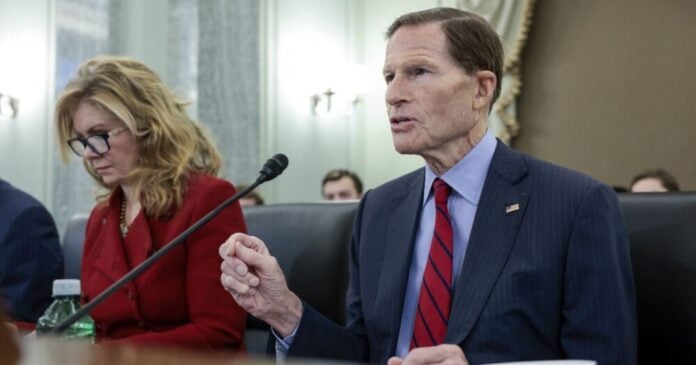
The senators are now demanding that TikTok explain the experiment in detail, disclose whether similar tests have been run, and answer a direct question: has the company ever decided against deploying a safety feature because it would hurt engagement or ad revenue? TikTok has been given a deadline of September 1 to respond. “These latest disclosures show that TikTok not only possessed information about the dangers created by its recommendation systems, but deliberately denied millions of users access to a safety intervention so that the company could study the intervention’s impact on engagement,” the letter states.
Both senators have been pushing social media companies on teen safety for years and are among the strongest supporters of the Kids Online Safety Act. The timing here is also pointed. The 2021 experiment started shortly after a TikTok policy official testified before Congress, at a hearing where Blackburn and Blumenthal specifically pressed the company to do more to protect children. “These revelations are appalling, but they are made even more sinister because TikTok was on notice about the effects of its recommendation algorithms on children,” they write.
This matters beyond TikTok. The practice of running A/B tests on safety features is not unique to one platform. Social media companies routinely measure how changes affect time-on-app and ad performance. The problem is when safety interventions get treated the same way as button colors or notification copy, things you test and optimize against a revenue metric. When the variable being held back is a feature that could have broken a self-harm content loop for a teenager, calling it a routine experiment is not a defense. TikTok did not respond to a request for comment.