
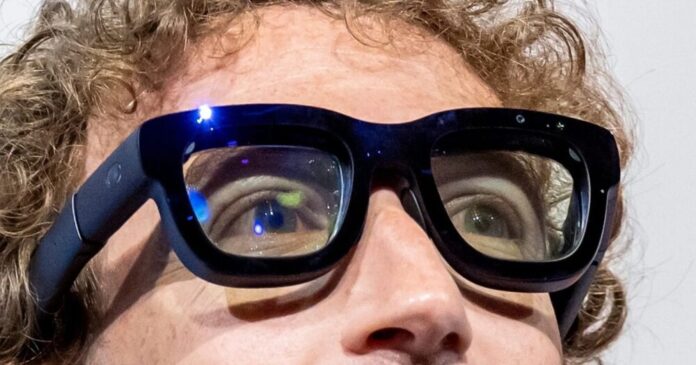
Call them smart glasses if you want to be polite. A growing number of people in Europe have a blunter term: “pervert glasses.” And Norway’s government, apparently taking that concern seriously, is now considering an outright ban on camera-enabled wearable devices in public spaces. According to TechCrunch, digital minister Karianne Tung has pointed to a clear and growing trend of AI being combined with cameras and microphones built into everyday objects like glasses, hats, and headphones. Her conclusion: this needs to stop before it gets worse.
The devices in question are products like Meta’s Ray-Ban smart glasses and Snap’s Spectacles. Both are internet-connected, both have cameras, and both are already in people’s hands. The concern is not hypothetical. Researchers and privacy advocates have repeatedly shown how these glasses can record people without any visible indication that filming is happening. Add facial recognition to that equation, which Tung specifically flagged as a concern, and you have a tool capable of identifying strangers in real time, silently, in any public space.
Tung has said the government will form an expert group to advise on how to better protect privacy rights, and that a ban on using facial recognition technology on other people in public could be part of the outcome. That’s a reasonable starting point, but expert groups have a long history of producing reports that gather dust. The harder question is whether any regulatory framework can actually keep pace with hardware that’s already shipping.
This matters well beyond Norway. The country is part of the European Economic Area and tends to move in sync with broader EU data protection thinking. A Norwegian ban or strict regulation could push other European governments to follow, and would put real pressure on Meta and Snap to either modify their products for European markets or face exclusion. Neither company has so far faced meaningful consequences for selling devices that make covert recording genuinely easy.
The consumer backlash has been real. People don’t want to be filmed at cafes, on trains, or in gyms by someone whose glasses look like any other pair. That discomfort is not paranoia. It reflects a reasonable expectation that existing in a public space does not mean consenting to surveillance. Tech companies have leaned hard on the idea that public spaces have no privacy. Norway is pushing back on that framing, and more governments should be paying attention.