
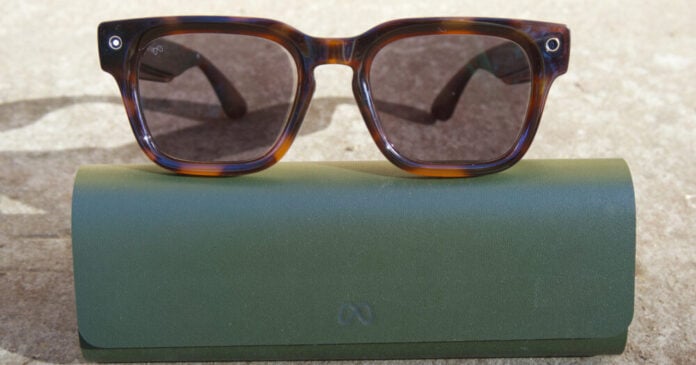
If a product keeps showing up in stories about secret filming, harassment, and police surveillance, maybe the problem isn’t a few bad users. Maybe it’s the product. That’s the argument two US senators are now making to Mark Zuckerberg.
Ron Wyden (D-Or) and Edward Markey (D-Ma) are investigating what they call “serious privacy and safety risks” in Meta’s AI smart glasses, according to Engadget. Their letter says the glasses have been tied to “disturbing invasions” of users’ and bystanders’ privacy. It also claims Meta shipped the product even after identifying risks to bystanders. That last point matters. It suggests this wasn’t a surprise.
The examples are ugly. Reporting from 404 Media and the BBC described men secretly filming women with the glasses, harassing them, and posting the clips to social media. Other reports and a lawsuit say Meta’s AI contractors reviewed footage showing people undressing and having sex. Think about that from the bystander’s side. You never agreed to be recorded, and a stranger at a review desk may have watched the result.
The senators want specifics on several fronts:
- Accidental camera activation and tampering with the recording indicator
- Whether faces and license plates get blurred during AI interactions, as Meta does on Facebook and Instagram
- When employees or contractors can access imagery, and when it trains AI models
- Whether Meta did real human rights due diligence and safety testing before launch
Meta has until Thanksgiving, November 26, 2026, to respond. Expect careful language. A tiny LED was always a weak consent mechanism, and the tampering question goes right at it.
The complaints go well beyond this letter. Users say a firmware update left the glasses recording conversations without consent. The glasses have reportedly been spotted on ICE agents during raids. And New York City Police’s counterterrorism unit reportedly raised surveillance concerns in January. Meanwhile, California Governor Gavin Newsom vetoed a bill earlier this month that would have banned secretly recording others in private areas of businesses with wearables. So legal protection is thin, and enforcement is thinner.
This is the bigger pattern with camera wearables. The device collects data from people who never touched the terms of service, then pipes it toward AI systems that need training material. Bystanders can’t opt out of that.
Wyden and Markey seem serious. “Meta’s professed commitment to privacy and preventing intimate image abuse rings hollow,” they wrote, if it can’t show meaningful steps against harms its own products and practices facilitate. A letter isn’t a law. But public answers about contractor access and data use would tell us far more than any marketing page.