
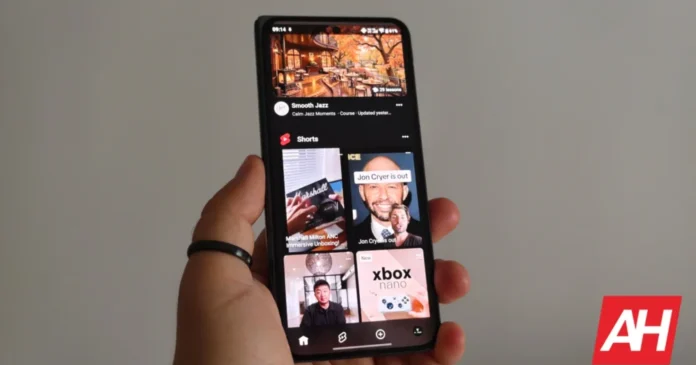
Three billion dollars is a lot of money to pay over a feature as small as autoplay. But that’s what YouTube has reportedly agreed to do, and the price tag tells you how the legal system is starting to view engagement-maximizing design: as a defect with a cost, not a neutral product choice.
According to a report citing Bloomberg, YouTube has reached an agreement in principle with thousands of US school districts. That means the main terms are settled, but nothing is signed. A majority of districts still have to opt in, and finalizing it will probably take a few months. If it holds, it would be the largest corporate settlement ever reached with US school districts.
The districts’ argument is straightforward. They say features like autoplay and endless scrolling kept students hooked, which contributed to addiction and mental health problems. Schools then picked up the tab for extra counseling and related services. They want that money back.
Here’s where I’d push. The deal reportedly includes new safeguards for teens, but nobody has said what they are. Google has declined to comment. Without details, "safeguards" could mean meaningful limits on recommendation loops or it could mean a settings page buried three menus deep. For users, that gap matters more than the headline number. And if age-based protections require better age verification, we should ask what data YouTube collects to enforce them, and who holds it.
The settlement is also one piece of a much larger pile. The Next Web notes that more than 10,000 lawsuits have been filed against YouTube, Meta, Snap and TikTok over the past five years. Earlier this year, a Los Angeles jury found Meta and YouTube liable in one of the first of these cases to reach trial. YouTube then settled with a teenager to avoid a second California trial, and it paid just over $2 million to a Kentucky school district.
Meta is on the same path. In August it agreed to pay about $18 billion to nearly every US state, and that deal reportedly caps teens’ scrolling at two hours a day. That’s a notable precedent, because it moves from paying for harm toward limiting the mechanism itself. Meta isn’t clear yet, though. A school district case from Tucson, Arizona, goes to trial in February, with Meta, TikTok and Snap all named as defendants.
The pattern is hard to miss. Companies keep choosing to settle rather than let juries examine how their recommendation systems were built and tested. Settlements come with no admission and often little transparency. So while a $3 billion check looks like accountability, the real test is whether the design of these products changes, and whether anyone outside the companies can verify it.